
What States Need to Know About Plug-In Solar
Bentham Paulos | CESA
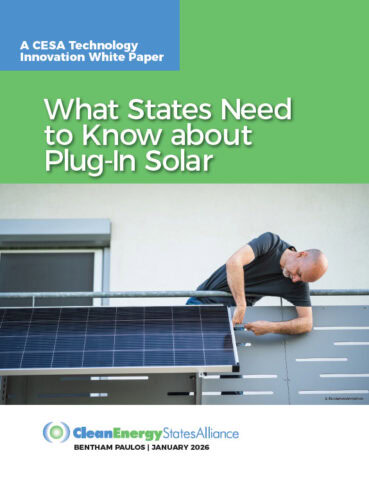
Plug-in or “balcony” solar refers to small solar systems that are plugged into a power outlet like an appliance, but instead of drawing power from the outlet, they supply power for use in other parts of the home. Because these small solar systems do not usually require electrical work and are not typically mounted on roofs, they can be installed by people with little technical expertise. This can avoid the need for electricians and permits, and thus reduces installation and other “soft” costs. Several million plug-in solar systems have been installed in Europe, but are just now coming to the United States.
In response to increased legislative and public interest in plug-in solar, the Clean Energy States Alliance (CESA) published this paper to provide information and guidance on plug-in solar configurations, regulatory issues, economics, and safety concerns. The paper presents clear, plain-English information about plug-in solar for state energy agencies, their legislative counterparts, and other stakeholders.
The paper is organized in the form of questions and answers. The questions addressed in the paper include the following:
- What types of plug-in solar exist?
- What are the benefits to consumers?
- How does it compare to conventional and community solar?
- What are the potential impacts for the electricity system?
- What are the barriers in the United States?
- Is plug-in solar safe?
- What is the regulatory status in the US?
- How does it relate to net metering?
- What questions should state legislators and state energy agencies consider?
The paper will be updated periodically in response to new information and additional questions from states.
Resource Details:
Date: January 9, 2026
Type: Report
Topic(s): Distributed Generation, Solar PV