


VPPs 101
Virtual Power Plants (VPPs) are a smarter, faster way to meet electricity demand—without building new fossil fuel power plants. A VPP is a network of distributed energy resources that work together to support the electric grid while providing important services to the community. Instead of relying on a single large power plant, VPPs coordinate many smaller, customer-side resources to deliver similar services—cheaply, cleanly, and quickly.
Selected Resources for States
VPP Liftoff Report 2023 and the 2025 Update
US DOE | 2025
Use these to understand the barriers and policy, market, and financing solutions to scale VPPs nationally.
Aggregated Distributed Energy Resources in 2024: The Fundamentals
NARUC and NASEO | 2024
Use this as a 101 primer to learn about VPPs and grid services for bulk, distribution, and grid edge systems, as well as some program design considerations for states on valuation and compensation.
Program Design for Battery-Based VPPs
CESA | 2026
Use this to learn about the characteristics of existing battery VPPs, including design elements for battery ownership and compensation mechanisms.
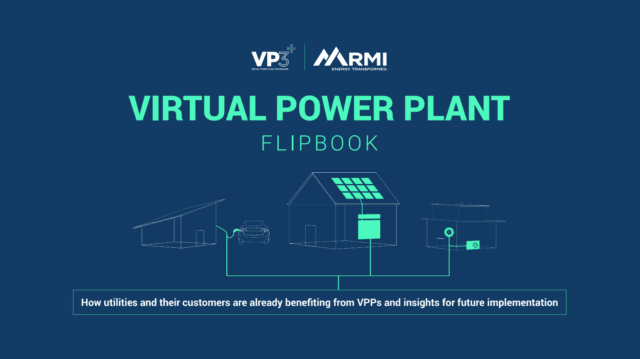
VPP Flipbook
RMI | 2024
Use this to explore case studies about different VPP models, including helpful diagrams.
Building Trustworthy Virtual Power Plants: The VPP Maturity Model
Energy Hub | 2025
Use this to learn about a framework that will help you think about how VPPs can be described and can perform, from basic demand response to fully grid-adaptive resources.