
Resource Archive - Solar PV
SEARCH RESOURCES
You can also search by author name.
RESOURCE TYPES
RESOURCE TOPICS
RESOURCE PROJECTS
RESOURCE YEARS
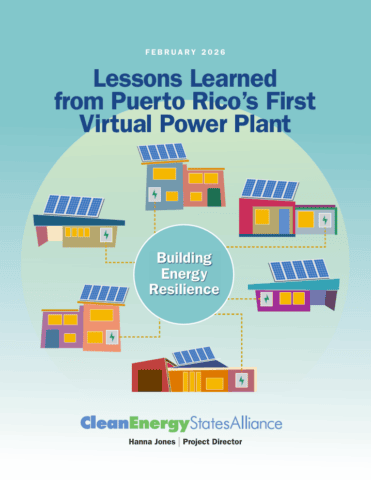
This CESA case study profiles Puerto Rico’s first VPP program. The study explores how customer-centered program design and collaborative efforts between the utility, program aggregators, and end users helped bring LUMA Energy’s Customer Battery Energy Sharing (CBES) program to life and scale it into a model for clean, resilient power.
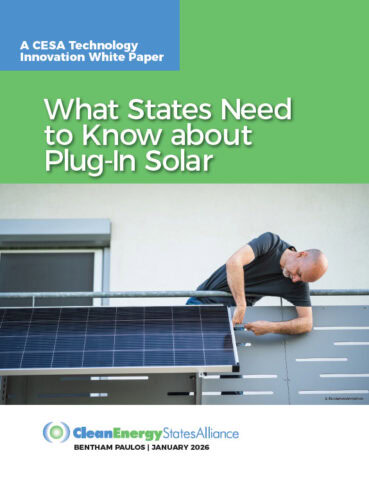
This paper provides information and guidance on plug-in solar configurations, regulatory issues, economics, and safety concerns.
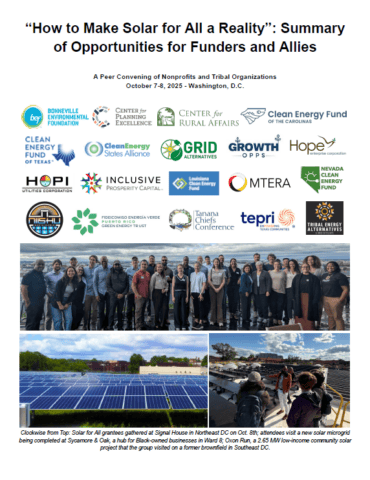
Broadening access remains critical to achieve affordability, reliability, and decarbonization goals with solar and solar+storage. A group of nonprofit and Tribal Solar for All grantees produced a summary of the funding, policy, and communication strategies that potential funders and allies seeking to continue this work can prioritize. Among others, strategies include supporting virtual power plant…
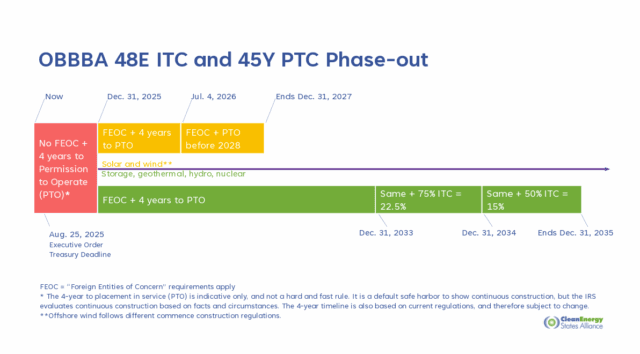
This diagram displays primary dates for commencing construction, foreign entities of concern, and placement in service by technology in one print out diagram to use as a quick reference.

This report compiles research on best practices for designing solar programs that provide meaningful benefits to low-and-moderate income households. The report examines different types of solar projects, including residential-serving community solar, rooftop solar, and installations serving multifamily affordable housing. It includes six case studies and information about savings verification.

This directory lists and describes federal and state resources for educating consumers about solar opportunities and considerations.

This CESA presentation within the Meaningful Household Savings Community of Practice summarizes best practices, pathways to scale meaningful household savings, and research needs.

This paper presents recommendations to help state energy agencies design and implement equitable stakeholder engagement strategies for their solar programs.

This document, part of CESA’s IRA Explainers and Guides Series for States, answers questions about the Build America, Buy America (BABA) Act and the domestic content bonus tax credit program requirements for awardees of the Greenhouse Gas Reduction Fund Solar for All program. It will be useful to other stakeholders as well to understand how BABA will apply to Solar for All and the differences between BABA and the tax credit requirements.
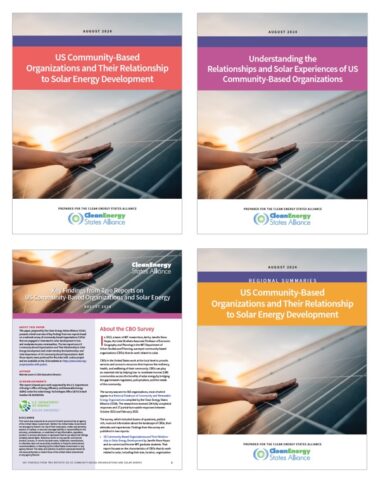
CESA has released a series of reports based on the findings of a nationwide survey of community-based organizations (CBOs). The survey, which included dozens of questions, yielded rich, nuanced information about the landscape of CBOs, their attitudes and experiences.