

2026 State Leadership in Clean Energy Awards
The Clean Energy States Alliance is pleased to announce the recipients of the 2026 State Leadership in Clean Energy Awards. Since 2009, the biennial Leadership Awards have recognized outstanding state programs and projects that have accelerated the adoption of clean energy technologies. The seven winners were chosen by an independent panel of distinguished judges and were evaluated based on leadership, innovation, cost-effectiveness, and replicability.
"States continue to innovate and are driving considerable clean energy progress,” said CESA Executive Director Warren Leon. “CESA's State Leadership in Clean Energy Awards bring attention to creative and successful state clean energy programs, so that other states may learn from them."
This year’s awards were presented in July 2026 to the following agencies:
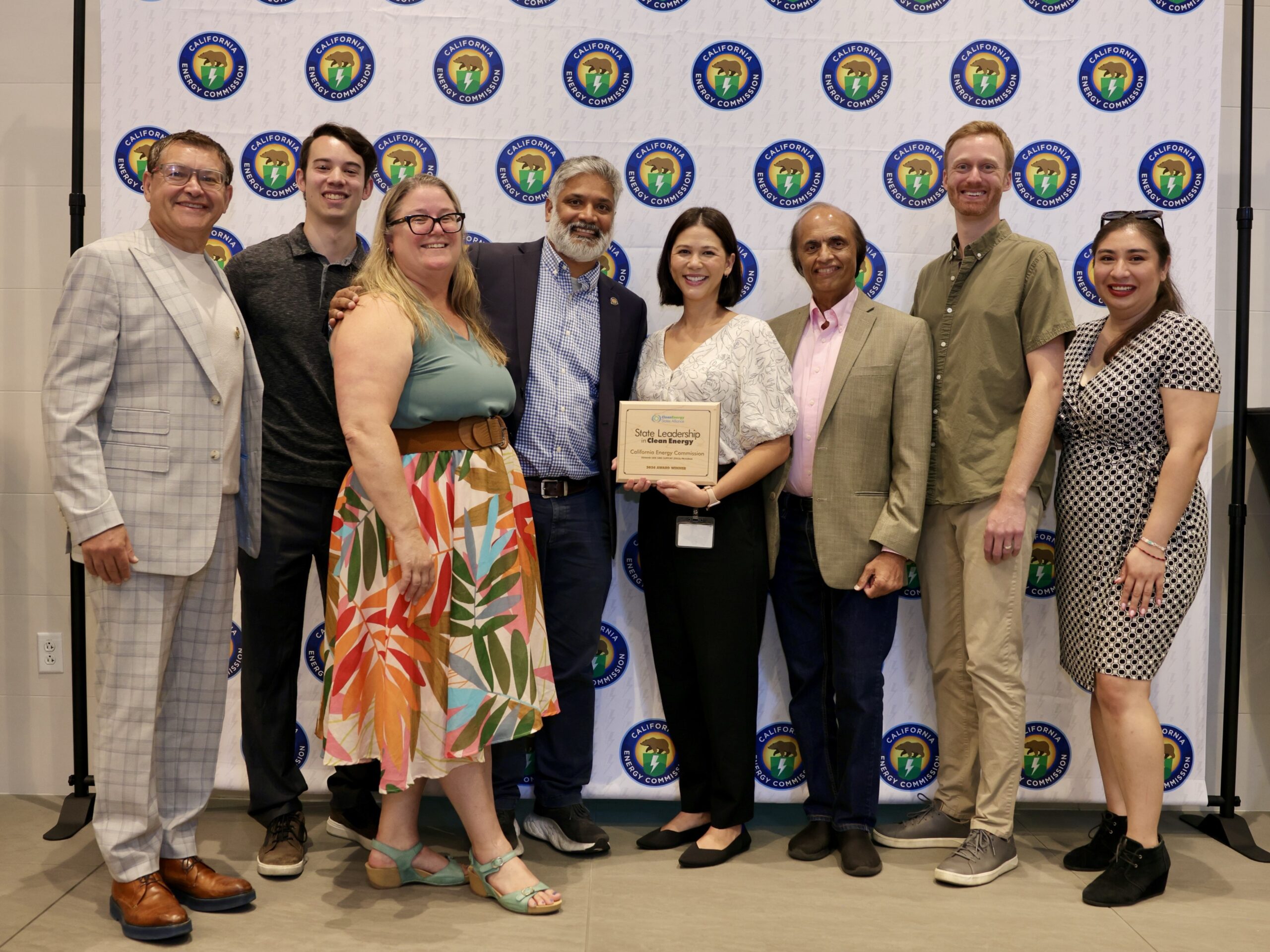
California Energy Commission (CEC) for the Demand Side Grid Support (DSGS) Program.
This virtual power plant (VPP) program offers performance-based compensation to electric customers who provide load reduction and backup generation to support the state’s electric grid during times of high energy demand, reducing the risk of blackouts. Participating households have either battery storage systems or smart devices such as electric vehicle chargers, electric water heaters, electric panels, or HVAC systems. When electricity demand is high, customer batteries deliver power to the grid and smart devices shift when they operate to a time when energy demand is lower. By drawing on customer-sited resources, utilities can defer expensive grid upgrades like building new power plants and grid infrastructure, which reduces energy bills for all California ratepayers. DSGS participation grew over 7X in just two years since its launch in 2023 and is considered by industry to be the largest VPP program in the world with over 124,000 enrolled customers across California, including strong participation in low- and moderate-income communities.
According to the judges: "VPP programs are important to the future of the electricity system. California's DSGS program is ambitious and successful, balancing grid reliability and affordability."
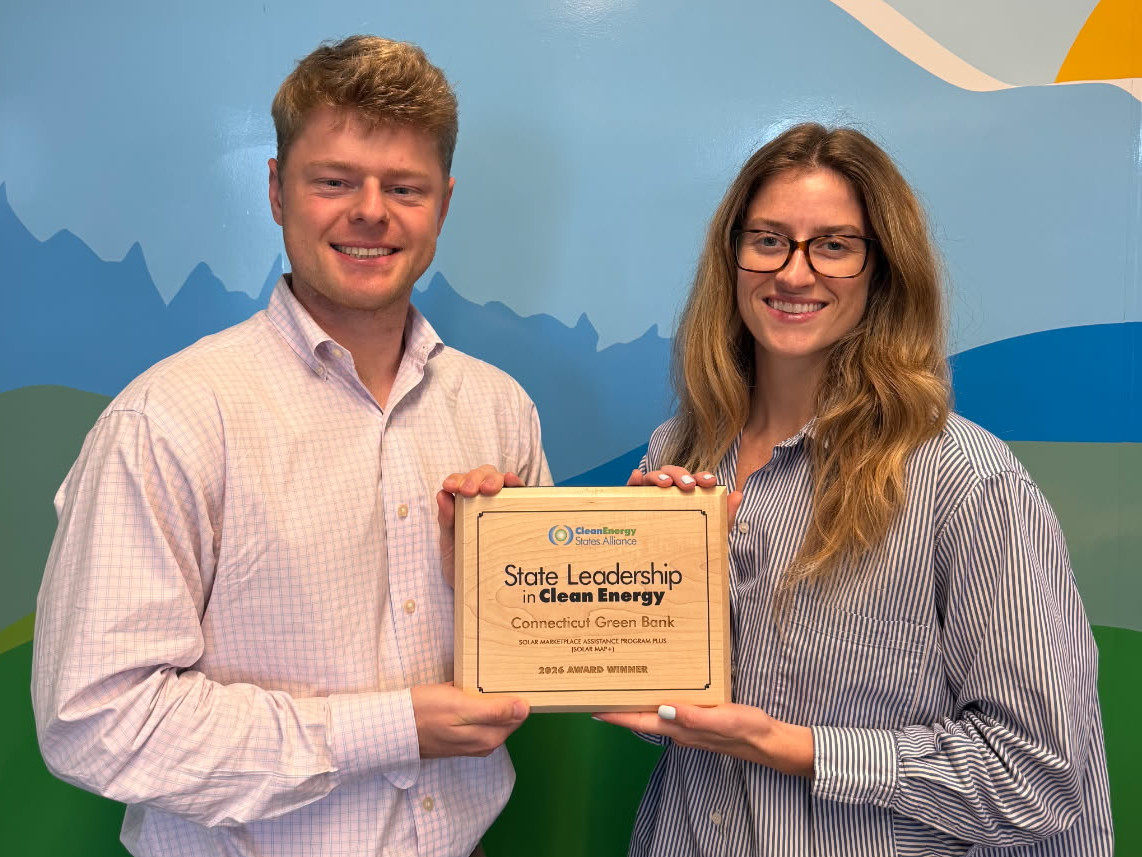
Connecticut Green Bank for the Solar Marketplace Assistance Program Plus (Solar MAP+).
Solar MAP+ is a clean energy development and financing program that provides end-to-end solar and energy storage project support for municipalities, K–12 schools, state agencies, and affordable multifamily housing, with a focus on underserved markets. By positioning the Connecticut Green Bank as a public developer rather than solely a financier, Solar MAP+ removes persistent barriers—including limited staff capacity, complex procurement, project risk, and financing constraints—that historically prevent public and mission-driven institutions from accessing solar and storage solutions. Most of the tenants of participating multifamily affordable housing are at or below 80% area median income, and the program shares financial benefits directly with tenants, resulting in an average of $350 in annual savings per tenant. Solar MAP+ has completed 69 projects, installing 56.3 MW of capacity and generating over $150 million in clean energy investment.
According to the judges: “Solar MAP+ is innovating the role of the green bank from just a lender to lender and developer. The program is highly replicable, cost-effective, and successful in its implementation.”
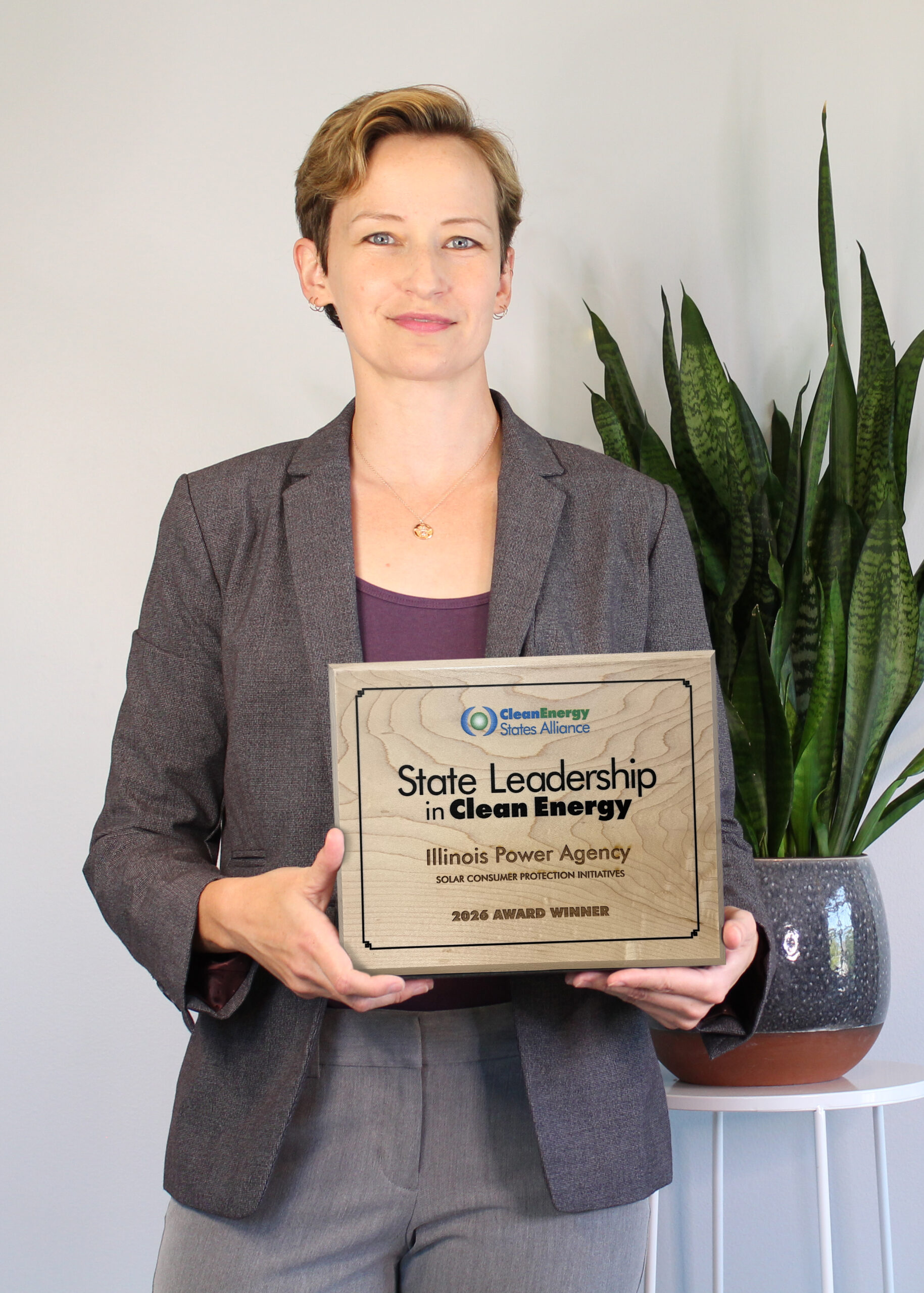
Illinois Power Agency (IPA) for its Solar Consumer Protection Initiatives.
Two complementary programs protect IPA solar program customers by ensuring they receive promised incentive payments and do not suffer financial harm. The first initiative, called the Solar Restitution Program (SRP), compensates customers who have experienced economic harm from solar vendors in the program. Under the SRP, customers may be eligible to receive a restitution payment if the vendor violated one of the IPA’s program requirements. The second initiative, called the Escrow Process, is designed to prevent financial harm before it occurs. When the IPA identifies that a vendor will likely fail to pass promised incentive payments to customers, such as when a vendor is going out of business, it initiates a process through which the solar program incentive payments are sent to a third-party escrow agent instead of to the vendor. The agent prioritizes payment to customers, ensuring they receive promised funds before any remaining amounts are distributed to the vendor. As of July 2026, the SRP has paid customers $472,864 in restitution, and the Escrow Process has facilitated over $2.2 million in pass-through payments to customers.
According to the judges: “Strong consumer protections are essential to ongoing public support for solar. The IPA’s Consumer Protection Initiatives creatively and successfully address specific consumer issues.”
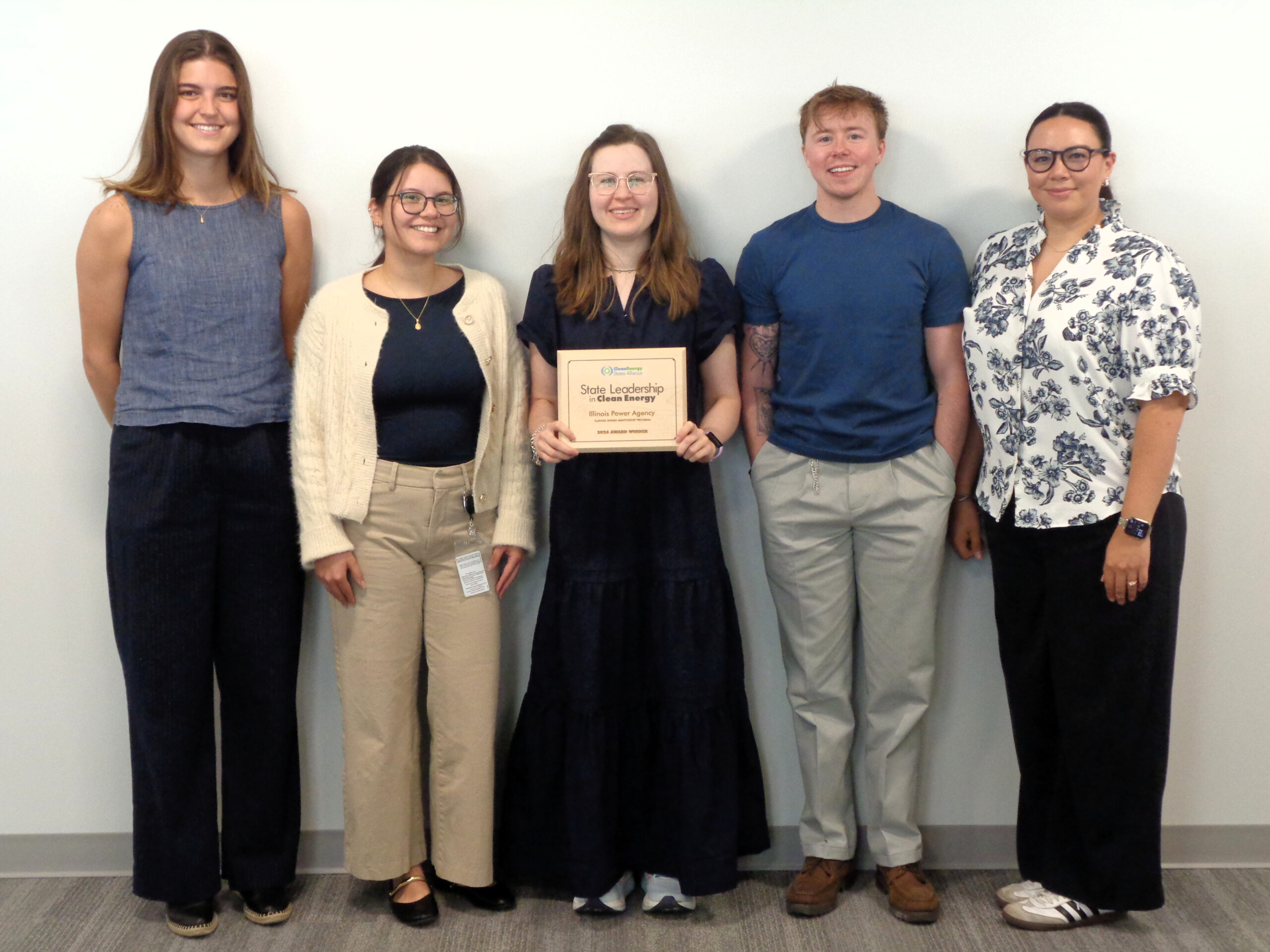
Illinois Power Agency (IPA) for the Illinois Shines Mentorship Program.
The program's goal is to bring new and underrepresented businesses into Illinois Shines, the state administered solar incentive program. IPA identified a distinct set of barriers faced by minority-owned, woman-owned, veteran-owned, disable-owned, or small businesses with limited access to networks, resources, and program-specific expertise. These participants had less knowledge of the solar market, less experience navigating complex administrative and regulatory processes, and fewer pre-existing relationships with financial institutions, partner businesses, and vendors. They also often had no “back office” support like in-house legal and accounting teams. Through the Mentorship Program, participants learn about the Illinois Shines program requirements and application procedures, coupled with the guidance, industry knowledge, and connections needed to succeed long-term in the clean energy sector. Mentors from established companies volunteer to provide Program insights, advice, and valuable feedback to mentees. As a direct result of this program, 90 Mentees from 71 participating businesses have been trained and are equipped with a new understanding of the requirements, processes, and expectations for participating in the Illinois Shines Program. Mentees have energized 180 solar projects following their participation in the program.
According to the judges: "The Illinois Shines Mentorship Program is so replicable, so low-cost, and so high impact. Every state should be doing this."
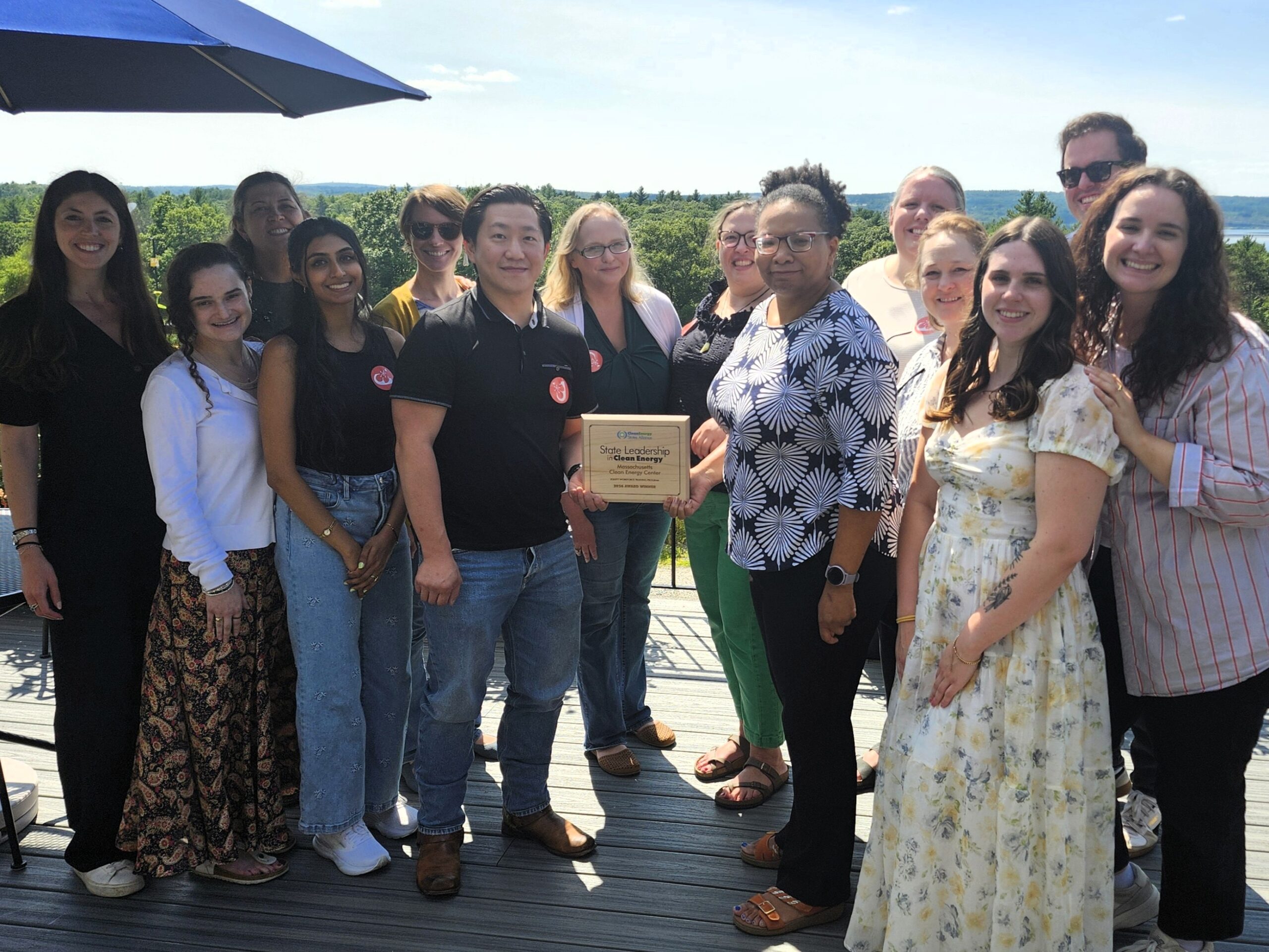
Massachusetts Clean Energy Center for the Equity Workforce Training Program.
This program was designed to make the clean energy workforce more inclusive while responding to the growing demand for skilled workers. Through planning grants, technical assistance, and investments in curriculum, staffing, and equipment, MassCEC helps organizations modernize or launch employer-aligned training programs. Training is provided at little to no cost to participants. Individuals from environmental justice and underrepresented populations are prioritized, and wrap-around support such as childcare, transportation, and language services is provided. The training programs have an impressive 87% participant completion rate and 74% job placement rate. Cost efficiencies are achieved by coordinating with other complementary state initiatives, and by combining and leveraging diverse funding streams. With the Massachusetts clean energy workforce more than doubling since 2010 and demand for talent continuing to rise, this program is essential to building a diverse, skilled workforce. This approach demonstrates how states can advance climate, equity, and economic goals simultaneously.
According to the judges: “This well-designed program has had an impressive impact across Massachusetts.”
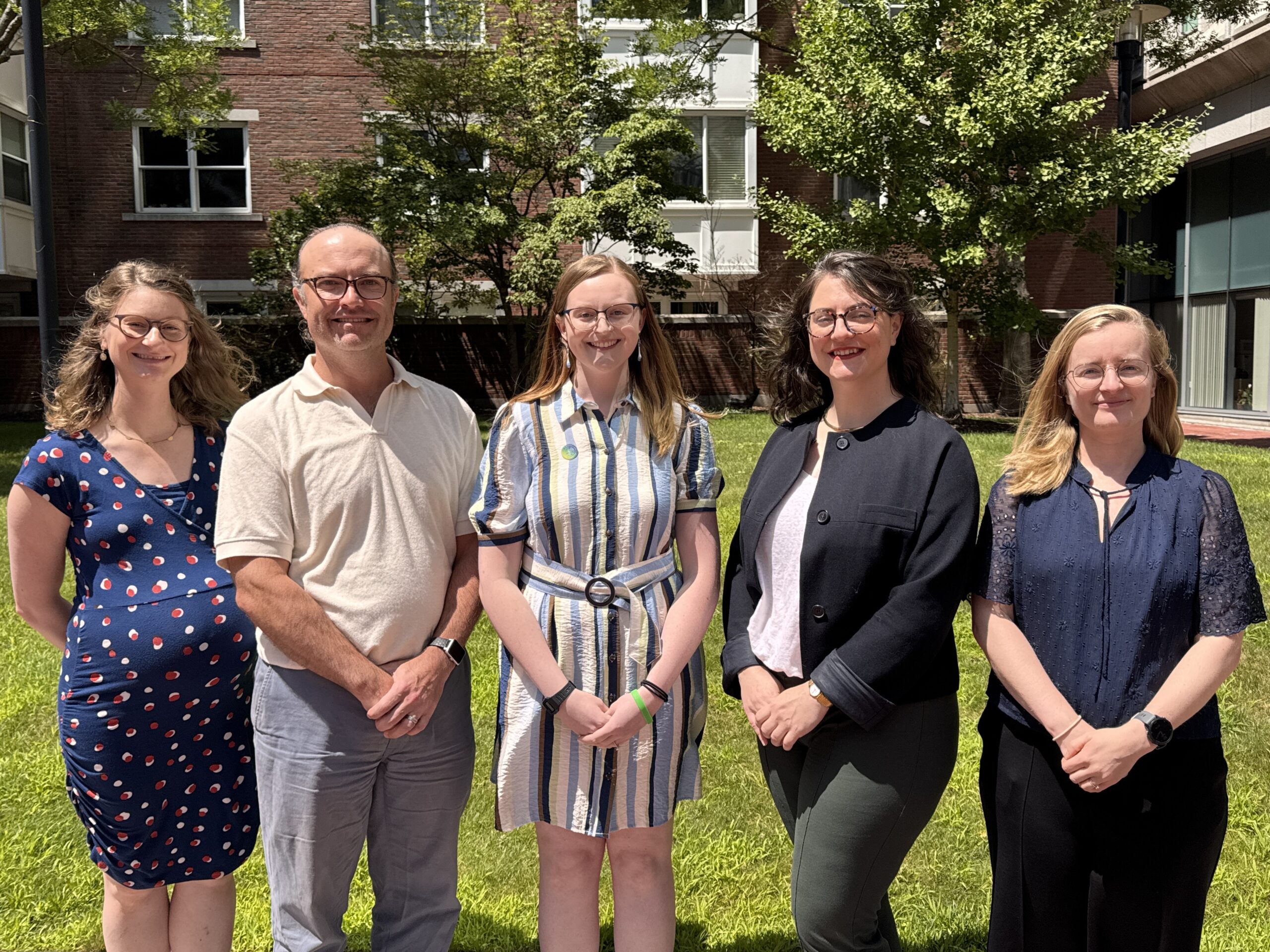
Massachusetts Department of Energy Resources (DOER) for the Massachusetts Grid Modernization Advisory Council (GMAC).
The GMAC is an interdisciplinary stakeholder working group charged with reviewing and providing recommendations on the state’s investor-owned electric distribution companies’ plans to modernize and invest in the electric grid to support the clean energy transition. Members of the GMAC represent low-and moderate-income residential consumers, environmental justice communities, clean energy industry, academia, environmentalists, and municipal interests. DOER chairs and provides administrative support for the GMAC with consultant support. The GMAC hosts public events to engage with municipal audiences on electrification challenges and successes to bridge gaps between local and systemwide grid planning. The GMAC has made nearly 100 recommendations on how to maximize net customer benefits, encourage least-cost investments, and minimize and mitigate impacts on ratepayers. Without the GMAC process, utility investment plans would continue to occur largely behind “closed door” regulatory processes that are difficult for many stakeholders to understand or engage.
According to the judges: “Massachusetts has developed a low-cost and highly replicable model for advancing equity, community engagement, and transparency in grid modernization efforts.”
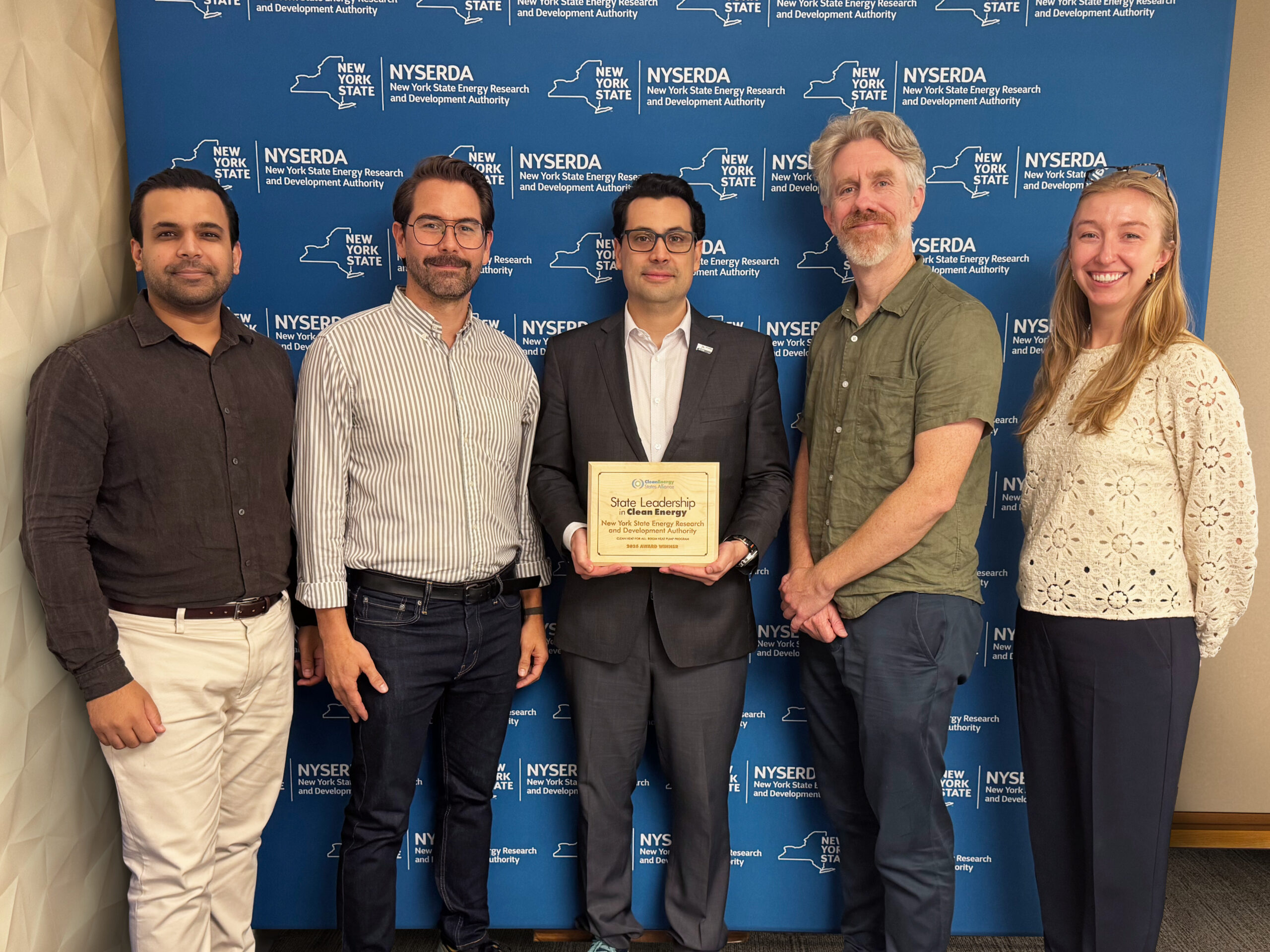
New York State Energy Research and Development Authority (NYSERDA) for its Clean Heat for All (CH4A): Room Heat Pump Program.
CH4A is a market transformation initiative that spurred the development of new, efficient, easy-to-use room heat pump products and distributed them first to residents in public housing. By developing and distributing plug-and-play heat pump products, the program eliminates the need for costly, complex, and disruptive electrical upgrades. CH4A is a cornerstone for environmental justice, providing the New York City Housing Authority with a viable path to meet its greenhouse gas reduction obligations. The program’s focus on public housing ensures that the benefits of clean energy technology—such as individualized thermal control, high-efficiency cooling, and improved energy affordability—reach low- to moderate-income residents who are often the last to benefit from climate innovation. The heat pumps also promote cleaner indoor air by providing better air filtration. The products developed through this program are now spreading to other states.
According to the judges: “CH4A is an inspiring and impactful success story. This program’s approach should be applied across the board to other technologies.”
The Judging Panel
The five judges who donated their time to assess the programs nominated by state agencies across the country were:
- Blair Goldstein Beasley, Managing Director of Environment at the Arthur M. Blank Family Foundation. Blair leads the strategy and execution of the foundation’s Environment giving area, which invests in solutions that accelerate the deployment of renewable energy and its positive impact on people’s lives. She previously served as the director of climate strategies at the Ray C. Anderson Foundation, and she worked in the energy program at the Bipartisan Policy Center.
- Olivia Nedd, Senior Policy Director, Access & Equity Program at Vote Solar. Olivia supports Vote Solar’s policy and regulatory work, to advance a more equitable and just clean energy future for everyone. Prior to joining Vote Solar, Olivia worked with Florida Conservation Voters. She holds a Juris Doctorate from Howard University School of Law.
- Mike O’Boyle, Senior Director of Policy and Strategy at Energy Innovation. Mike leads the firm’s policy strategy and helps to oversee deep sectoral analysis and develops practical strategies to reduce emissions across several of the world’s highest-emitting sectors, including electricity, industry, and fuels and chemicals. Mike works with policymakers and other decision-makers to develop effective, equitable, and durable climate and energy policy.
- Autumn Proudlove, Managing Director of Policy and Markets at the NC Clean Energy Technology Center. Autumn leads the Energy Policy & Markets team and provides strategic direction on policy and market topics. She provides oversight for the team’s DSIRE Insight subscription services and leads its 50 States of Virtual Power Plants snapshot report. She served as Principal Investigator for the Center’s work on the North Carolina Solar for All program and supports the Carolinas Renewable Energy Development Assistance and Siting Hub project. Autumn previously served on the National Academies of Sciences study committee on the role of net metering in the evolving electricity system.
- Tom Stanton is a clean energy policy analyst with over 40 years' experience in state energy and public utility regulatory policies. Tom served as Principal Researcher, Energy and Environment for the National Regulatory Research Institute (NRRI), where he specialized in policy research for distributed energy resources, energy efficiency, renewable energy, grid modernization, and global climate change. Tom also worked for Michigan state government for over 32 years, with 10 years at the State Energy Office and over 22 years as a member of the Michigan Public Service Commission Staff.
CESA appreciates the time and expertise provided by the judges. The judges’ participation in no way implies their respective organizations’ endorsements of these programs.
Additional Resources
In the coming months, CESA will publish blogs and host a webinar series highlighting the winning programs. These resources will be posted to this webpage.