


Expanding Solar Opportunity - Resource Library

To facilitate the design and launch of LMI solar programs by states and to leverage existing funding opportunities from the IRA, CESA produced this guidance note along with a standard RFP that can be used by states and other relevant stakeholders to design and launch Greenhouse Gas Reduction Fund-compliant LMI programs in their state.
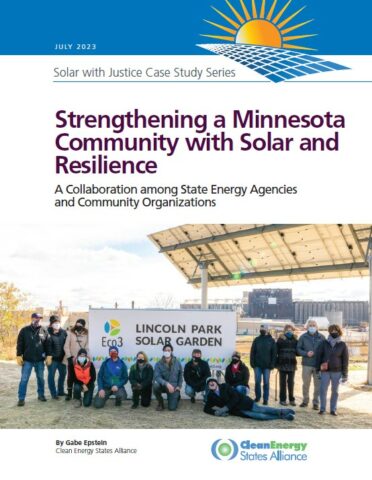
This case study details the development of a community solar array and Resilience Hub in Duluth, Minnesota. This project provides a useful model for community-based organizations and state energy agencies interested in developing their own equity-focused energy and resilience projects.
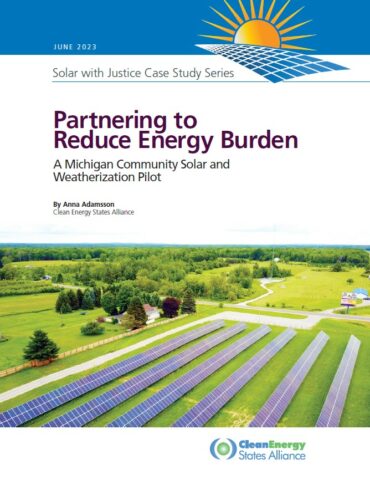
In an effort to reduce the energy burden on low-income Michiganders, the Michigan Department of Environment, Great Lakes, and Energy collaborated with local community action agencies and utilities to develop three separate community solar pilot programs. This case study illustrates how the program partners developed each pilot, what they learned, and what advice they would give to those developing future programs.
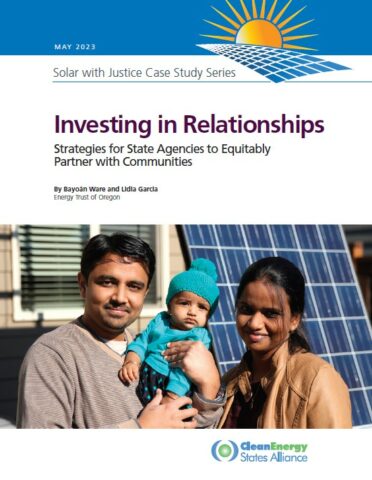
This case study analyzes six programs conducted by the Energy Trust of Oregon that have shown success in building meaningful and impactful relationships with community representatives. These programs can serve as a model for other state agencies seeking to develop relationships with community partners in order to better meet their shared goals.
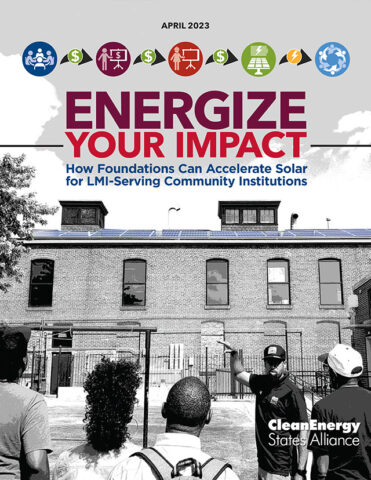
This report explores how philanthropic foundations have supported the deployment of solar and solar plus battery storage in low- and moderate-income communities in the United States.

This Clean Energy States Alliance report explores how SEAs are currently working with CBOs on equitable solar policy, and the barriers to successfully implement these policies. The report is based on a survey of SEAs conducted by CESA in conjunction with Energy Trust of Oregon and Kim Wolske of the University of Chicago.
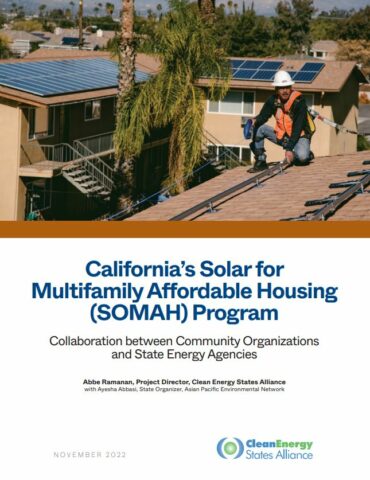
California’s Solar for Multifamily Affordable Housing program is an excellent example of how state energy agencies and community-based organizations can work together to create more impactful and sustainable solar programs that provide the maximum benefit to environmental justice communities.

In 2015, Connecticut Green Bank, in partnership with the solar and energy efficiency company PosiGen, launched a solar leasing program that targets low- and moderate-income homeowners. This study shows that the program has successfully reached underserved customers and has reasonable repayment rates given the credit characteristics of the participants.

As part of CESA’s Scaling Up Solar for Under-Resourced Communities project, Clean Energy Group conducted a survey of municipalities, community organizations, affordable housing developers, and technical service providers who have been involved in developing solar+storage projects.
Comments on the Solar for All Competition of the Greenhouse Gas Reduction Fund
CESA submitted comments to the EPA regarding the Greenhouse Gas Reduction Fund Implementation Framework, authorized under the IRA. The comments chiefly pertain to the Solar for All Competition but also relate to some of the requirements set under the GGRF Framework applicable to all three competitions.