
Networked Geothermal

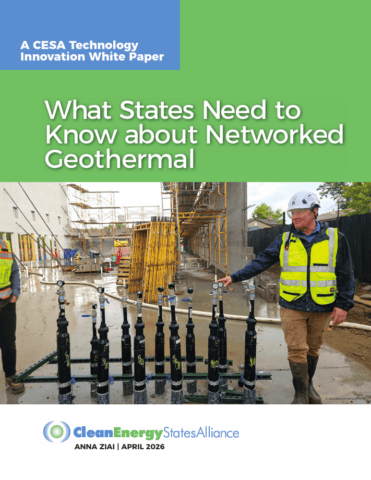
Networked geothermal, which falls under the broader family of technologies known as thermal energy networks (TENs), is an emerging clean energy approach that uses shared underground pipe systems to move heat between buildings and the earth for efficient heating and cooling.
Unlike traditional geothermal systems (ground-sourced heatpumps) that serve a single building, networked geothermal systems connect multiple buildings through a shared thermal network, creating cost-effective opportunities to improve energy efficiency, reduce emissions, and provide long-term energy infrastructure benefits.
As states pursue ambitious clean energy and decarbonization goals, networked geothermal is gaining attention as a flexible solution that can support building electrification, modernize energy infrastructure, and provide affordable heating and cooling options for communities.
Why Networked Geothermal Matters
Buildings account for a substantial share of energy use and greenhouse gas emissions. Decarbonizing heating and cooling remains one of the most significant challenges facing states as they work toward climate and clean energy goals.
Networked geothermal systems can help address these challenges by:
- Supporting building decarbonization through highly efficient heating and cooling systems
- Reducing peak electricity demand and easing pressure on electric grids
- Providing opportunities to repurpose or transition existing utility infrastructure
- Increasing energy resilience and reducing dependence on fossil fuels
- Improving long-term affordability and energy cost stability
- Creating local workforce and economic development opportunities
Networked Geothermal for CESA Members
CESA provides a forum for states to learn from one another, share emerging best practices, and discuss lessons from early projects and policies.
Networked geothermal intersects with many of the priorities facing state energy agencies and clean energy funds, including:
- Building electrification and heating strategies
- Community-scale energy solutions
- Equity and access considerations
- Utility regulation and planning
- Energy affordability
- Grid planning and resilience
- Workforce development
CESA Networked Geothermal Working Group
CESA convenes a Networked Geothermal Working Group to facilitate discussion and peer learning among states. The working group provides opportunities to:
- Share policy and program developments
- Hear from experts and practitioners
- Learn from project case studies and state experiences
- Discuss financing, regulation, and implementation challenges
- Identify emerging opportunities for collaboration
Interested in participating? To join the Networked Geothermal Working Group or learn more, contact CESA Project Director of Federal Initiatives Anna Ziai at [email protected].
There are no upcoming Scaling Up Solar for Under-Resourced Communities Webinars or Events.