
What States Need to Know About Networked Geothermal
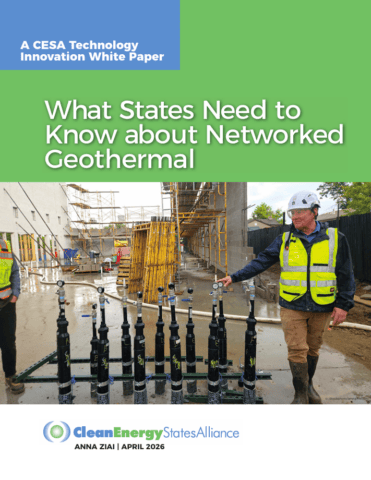
This short paper by CESA answers foundational questions about networked geothermal. It is intended to support early understanding and decision-making by CESA Members and other state officials.
Read more...Virtual Power Plant Programs Summary Table
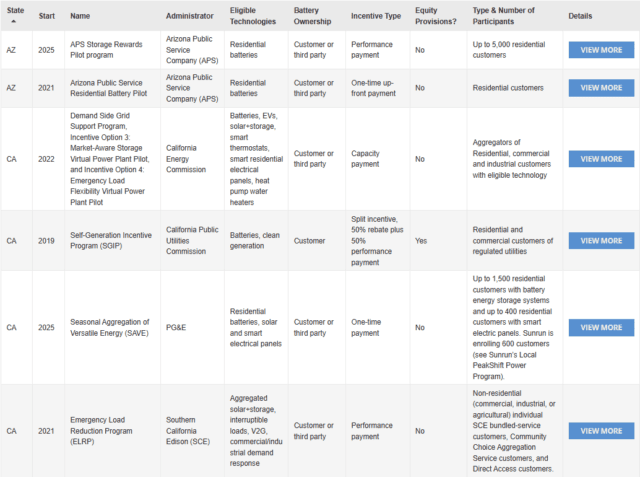
Over the past decade, the number of Virtual Power Plants (VPPs) in the U.S. has grown from a handful of small pilots to dozens of programs, some with thousands of participating ratepayers. Battery owners (or leasers) in approximately half the states in the country now have the opportunity to enroll in a VPP, to provide grid services and be compensated in return. This table summarizes the VPP programs that include battery storage, and provides links to relevant program pages and documents.
Read more...Program Design for Battery-Based Virtual Power Plants
This issue brief by CESA covers BVPP program design. The brief surveys and summarizes the characteristics of existing BVPPs, discusses design elements such as battery ownership and compensation mechanisms, and provides a high-level overview of the current state of BVPPs in the United States
Read more...Lessons Learned from Puerto Rico’s First Virtual Power Plant
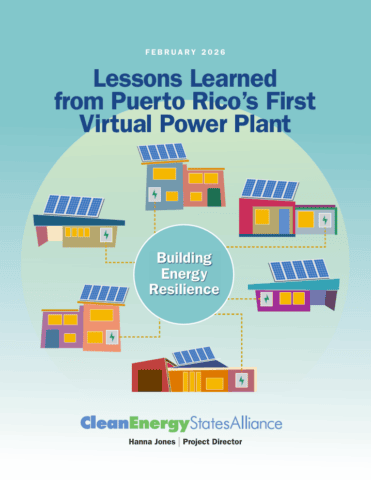
This CESA case study profiles Puerto Rico’s first VPP program. The study explores how customer-centered program design and collaborative efforts between the utility, program aggregators, and end users helped bring LUMA Energy’s Customer Battery Energy Sharing (CBES) program to life and scale it into a model for clean, resilient power.
Read more...How States Can Address Load Growth While Decarbonizing
This CESA report aims to help state officials, as well as other stakeholders, understand how policymakers can respond to electric load growth in ways that continue to advance decarbonization of the electricity system.
Read more...What States Need to Know About Plug-In Solar
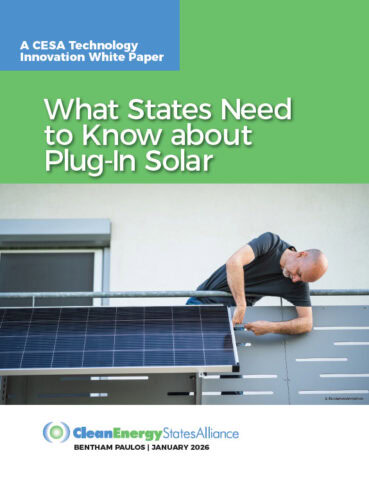
This paper provides information and guidance on plug-in solar configurations, regulatory issues, economics, and safety concerns.
Read more...Strengthening Offshore Wind Community Engagement: Recommendations for State Agencies
This report, coauthored by Equnival Partners and informed by a CESA-led working group of state agencies and community-based organizations, offers concrete steps that state agencies can take to meaningfully engage with communities as states plan for offshore wind projects. These recommendations provide a roadmap for communities to shape how they benefit from investments in offshore wind power.
Read more...Load Growth: What States Are Doing to Accommodate Increasing Electric Demand
This report surveys the causes of electricity load growth and outlines what the states are doing to meet the challenge.
Read more...Meaningful Household Savings: Best Practices for Achieving Equitable Solar Development

This report compiles research on best practices for designing solar programs that provide meaningful benefits to low-and-moderate income households. The report examines different types of solar projects, including residential-serving community solar, rooftop solar, and installations serving multifamily affordable housing. It includes six case studies and information about savings verification.
Read more...Energy Storage Program Design for Peak Demand Reduction

This issue brief, released by Clean Energy Group and CESA, outlines best practices and lessons learned for state policymakers and regulators engaged in developing energy storage peak demand reduction programs. The brief explores key elements of program design, such as incentive mechanisms and dispatch methods, as well as considerations for incentivizing load reduction versus power export, and peak demand reduction versus emission reduction.
Read more...